Anjali Krishna
- Editor
- Admin
Join date:
Posts (12)
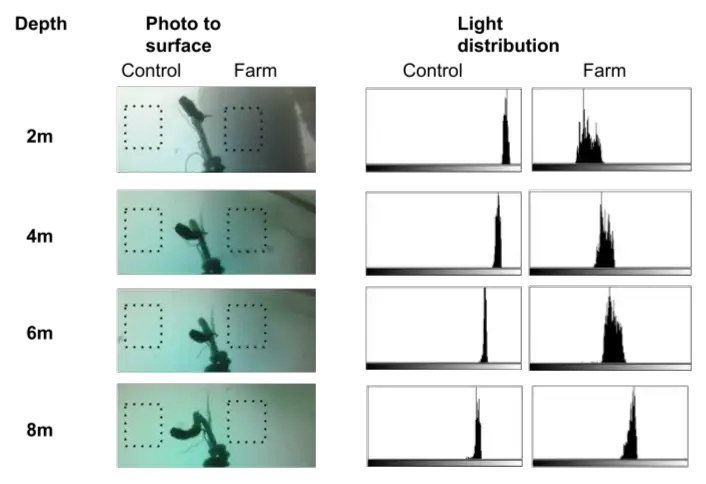
Farm Findings: The impact of shading from Seaweed Farms on seabed species may be limited by the local environment
While they are often used as models for sustainable development, the potential negative impacts of seaweed farms are regularly brought up in the world of aquaculture. One notable negative is a phenomenon known as “shading.” To understand shading, we first have to visualize the layout of a seaweed farm. For example, a very common setup is to use cultivation lines suspended between a network of floating buoys on the sea surface While at first glance this seems to leave the seafloor undisturbed,...
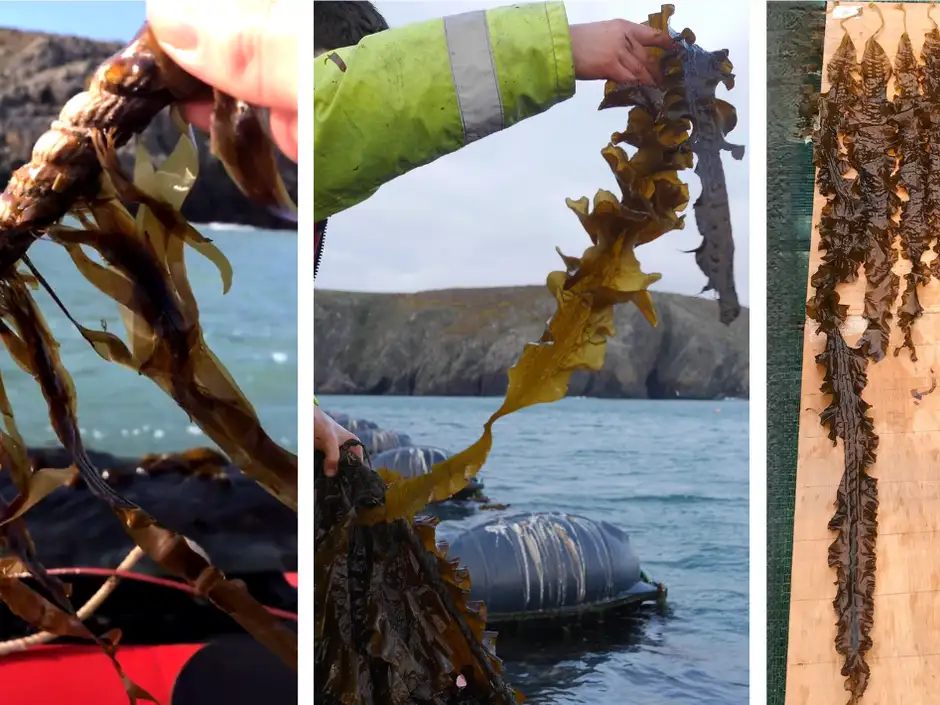
Farm Findings: Seaweed thrives in Wales' Powerful Seas
Wales has kilometres upon kilometres of unsheltered coastline. Enclosed on three sides by the chilly Atlantic, the unofficial peninsula faces its fair share of battering by storms and strong currents. But while the ocean might be annoyingly temperamental to the average holiday-maker, it serves as a perfect home for plant life that can tough out the waves, currents and changing tides. It may even be serving them a significant benefit Just as cold air sinks and hot air rises, water does the...
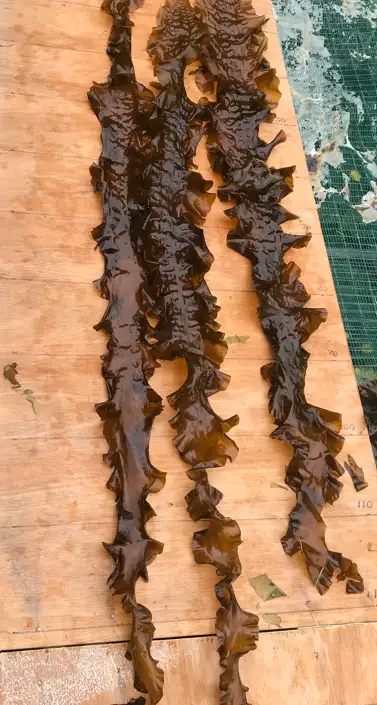
Farm Findings: Cultivated seaweed sheds back into the sea, removing carbon dioxide in the process.
As producers, seaweeds photosynthesize, absorbing carbon dioxide from the atmosphere and growing plant matter that feeds marine life. Wild seaweed is also one of the most productive producers on the planet, growing quickly to cover large areas of ocean. By examining sea beds from all over the world, scientists have discovered that seaweeds have another potential function. By absorbing carbon dioxide and storing it in their “leaves”, also called “blades”, they can contribute to carbon...
Farm Findings: Seaweed farms can integrate with natural seabed ecology
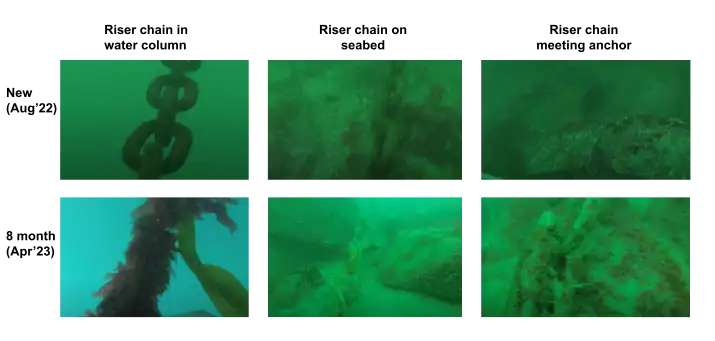
Over the years, marine infrastructure has become more present in U.K. waters. Aquaculture operations have increased as we pursue a sustainable, blue economy, and researchers have been hard at work trying to understand how the cages, anchors and chains affect the ecosystems in which they are placed. Fig. 1. Reference diagram for the block and chain mooring of the seaweed farm's infrastructure. In a seaweed farm, crop kelp is often grown from ropes suspended at the sea surface between buoys....
Farm Findings: Seaweed Farms can be used for Marine Mammal Monitoring
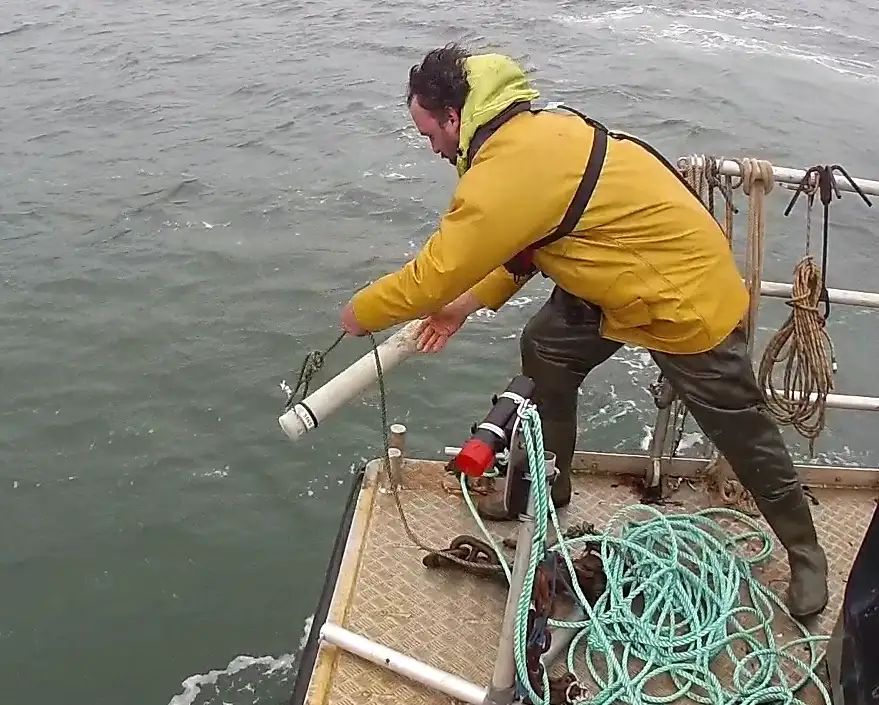
Dolphins and porpoises are some of the most famous, and adored, marine creatures in the world. Besides being incredibly charismatic, they have an unparalleled ability to connect humans with the ocean. They fuel coastal tourism, get people of all ages out on the water, and are powerful ambassadors for conservation, reminding people that marine life can be social, intelligent and complex. We are lucky enough to have many populations of dolphins and porpoises (also referred to as “cetaceans”)...
Video Log: A Trip to our Marine Monitoring Clients in Scotland
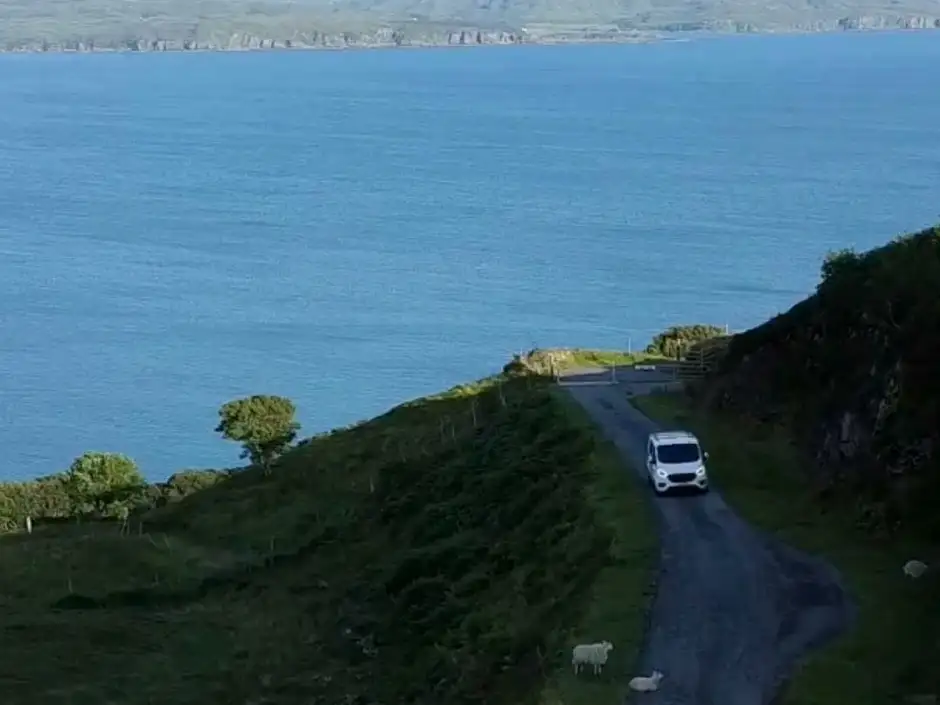
Part 1: visit to KelpCrofters in Kyle of Lochalsh. Part 2: visit to KALY Group in Waternish and Atlantic Mariculture in Ardtoe. Check out our client's pages below! A huge thanks to KelpCrofters, KALY Group, and Atlantic Mariculture for their valuable time. KelpCrofters - https://kelpcrofters.com/ KALY Group - https://kaly.eco/ Atlantic Mariculture - https://www.atlanticmariculture.co.uk/
Farm Findings: Seaweed farms can comfortably coexist with locally important species.
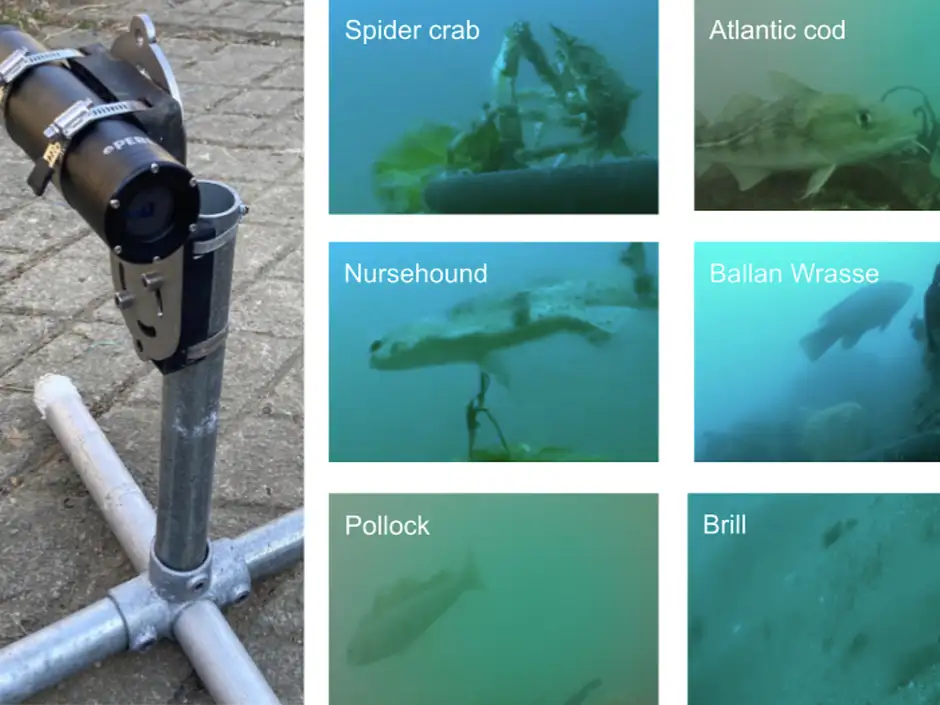
The U.K.’s coastal waters are teeming with life, from the tiniest crustaceans to large mammals like seals, and everything in between. Seaweed farms share these waters, playing neighbour to some of the country's most recognizable and commercial species: sardines, cod, haddock, flounder, the list goes on. It is well known that natural seaweed forests support these creatures, providing food and shelter, but does this relationship hold true with farmed seaweed? How does growing seaweed change how...
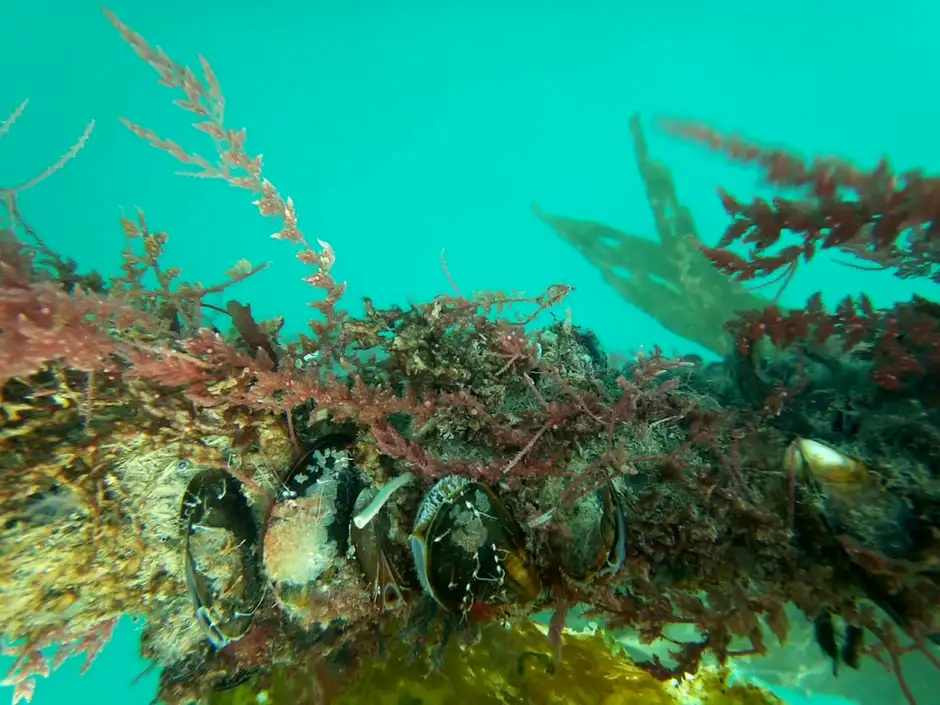
Farm Findings: Seaweed farms create ‘Hanging Gardens’ similar to natural seaweed habitats.
If you’ve stared into a tide-pool or dipped your head beneath the surface just off the coast of the U.K., you may be familiar with the swaying masses of green, red and brown that characterise the shallows. Shallow-reef, or “rocky shore,” habitats are the most accessible parts of our oceans, and play host to a huge range of species, both plant and animal. Seaweeds of all colours, limpets, crabs, gobies, blennies, these creatures are some of the first ocean residents we get to know. A rope...

One year on from the Coastal Community Leaders Project in Holyhead
Last year, the Ucheldre Community Centre rang with new ideas, warm laughter and the sea-salt stories of local residents who joined PEBL’s...
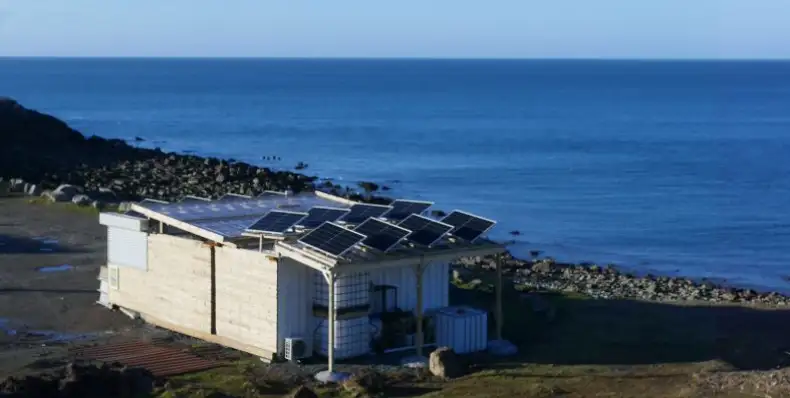
The PEBL Mission: Why do we do what we do?
At PEBL CIC, our mission is clear and urgent: we aim to transform marine monitoring by making it consistent, unobtrusive, and affordable....
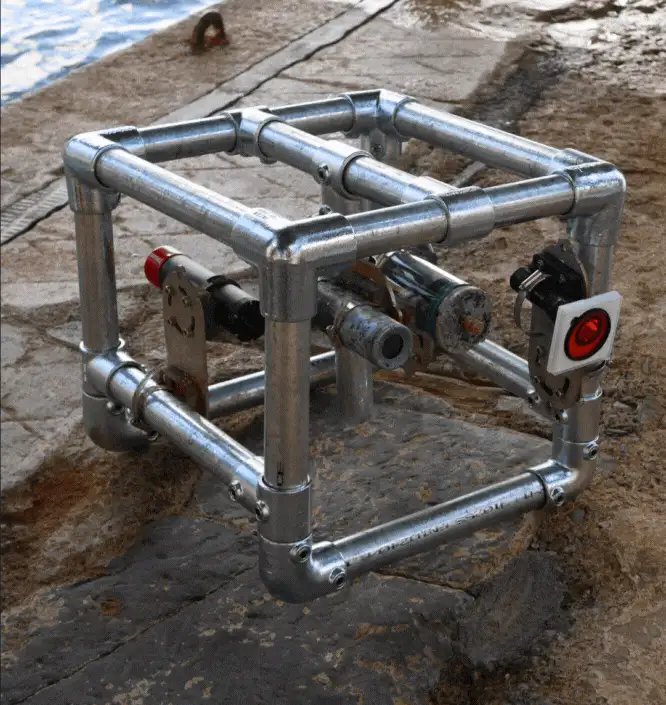
Deploying Microlander at Car-Y-Mor
At the end of March, PEBL had the privilege of heading out to Car-Y-Mor’s sea farm off the Pembrokeshire coast for a round of equipment testing and field experimentation. Among the key objectives of this trip was trialling some new light configurations for SubCam to improve night-time footage, part of our broader mission to enhance around-the-clock monitoring. However, the main highlight of this journey was the first live deployment of new underwater frame design: the Microlander . Over the...
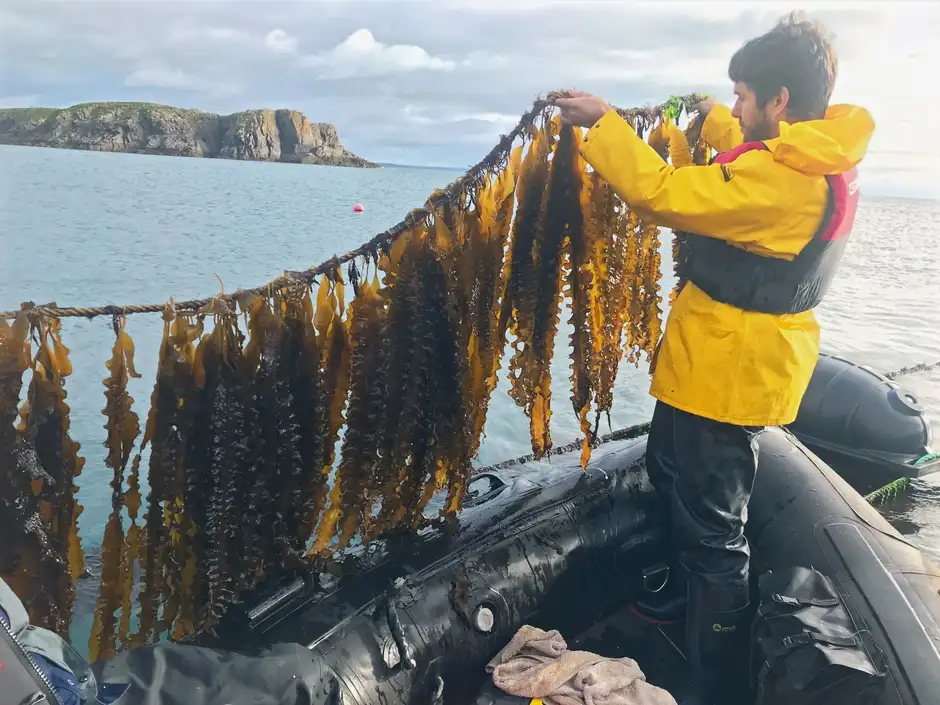
Field Guide: Assessing Cultivated Kelp and Seawater Quality at Seaweed Farms
The regular assessment of crops and growing environment is essential for the commercial success and sustainability of kelp farming. Through systematic sampling and analysis farm managers can quantify key growth parameters, supporting data-driven decision-making that helps to mitigate environmental stressors, detect diseases early, and enhance overall farm productivity. Accurate data on crop and farm health is also essential for assessing the broader environmental impacts of seaweed farming....